How to Sell Prescription Glasses on Shopify and Reduce Returns
Prescription glasses shoppers have high intent but low confidence. Here's why Shopify eyewear stores convert at just 2–4%—and what actually fixes it.
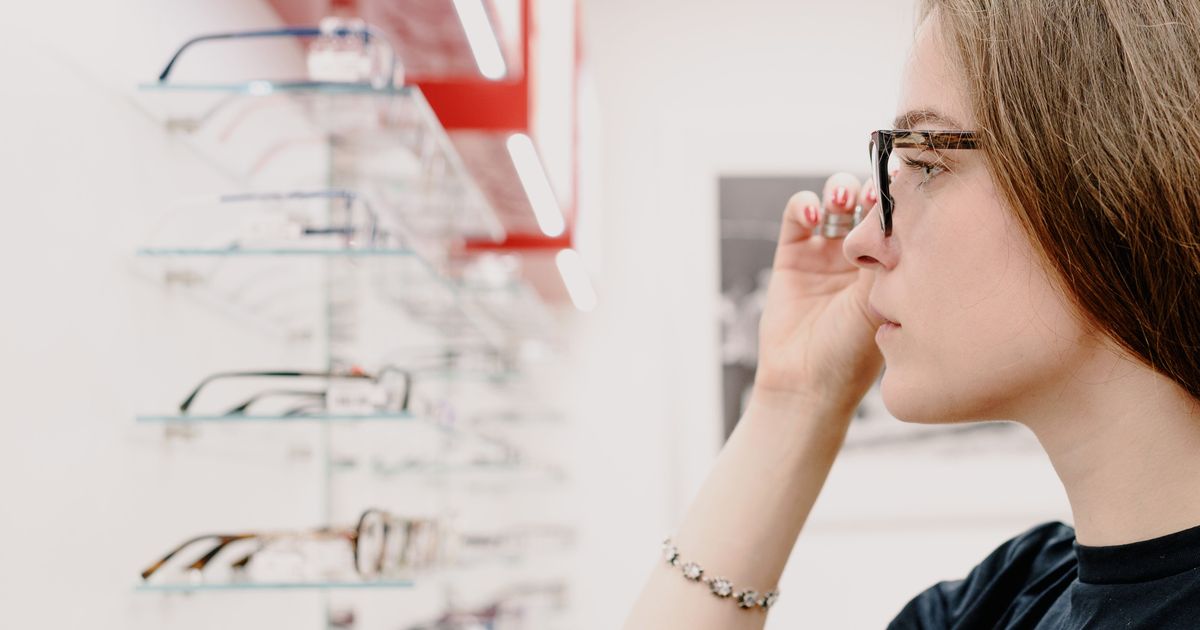
The eyewear industry has a peculiar problem. Glasses are one of the highest-intent purchases a person can make — people need them, they have already decided to buy, and they are prepared to spend real money. Yet online eyewear stores typically convert at just 2–4%, trailing behind even the already-modest overall e-commerce average. That gap is not about price or product selection. It is about fear. Two specific fears, actually — and understanding them is the first step to building a Shopify eyewear store that actually converts.
The Two Fears Every Prescription Glasses Shopper Carries
When someone shops for prescription glasses online, the stakes are higher than almost any other purchase they make online. These are not impulse buys. A wrong frame is uncomfortable to wear every single day for a year. A bad prescription strains your eyes, causes headaches, and means shipping the glasses back.
The first fear is functional: will the prescription be correct? A study by the American Optometric Association found that 44% of prescription eyewear ordered online had inaccurate prescriptions. Even if that figure has improved with better technology, shoppers have heard the stories. Many arrive at your product page already skeptical that entering their Rx into a checkout form will produce something that actually works for their eyes.
The second fear is aesthetic: will these frames suit my face? This is the one most store owners underestimate — and it is driving most of your abandoned carts. Shoppers can size up clothes from photos. They can tell at a glance whether a shoe looks wide or narrow. But glasses sit at the center of your face, and a frame that looks sleek on a model with angular features might completely overwhelm a rounder face. Without trying them on, most shoppers simply refuse to commit.
The Fear You Can Actually Solve Right Now
Solving the prescription accuracy problem takes real infrastructure: Rx input systems, optometrist verification workflows, PD measurement tools, patient education. Most independent Shopify stores cannot build all of that overnight. But the aesthetic fear? That one is solvable today.
Virtual try-on lets shoppers see exactly how a frame looks on their own face — using a webcam or phone camera — before they buy. No imagining. No guessing whether the model's face shape is close enough to theirs. The answer is right there on screen, in real time. For a category where uncertainty kills conversions, that changes everything.
Eyewear retailers using virtual fitting tools see a 22% decrease in cart abandonment and up to a 28% reduction in returns. One leading eyewear brand reported a 400% conversion lift after integrating a high-quality virtual try-on experience into its product pages.
Even more telling: 69% of consumers say they feel greater purchase confidence after using an AR try-on tool. When someone already needs glasses, conversion is almost inevitable — the only question is whether they buy from you or go somewhere that removes the uncertainty better than you do.
Setting Up Virtual Try-On in Your Shopify Store
Virtual try-on for Shopify is no longer reserved for enterprise retailers with large development budgets. Several apps plug directly into Shopify and can be live on your product pages within a day or two of setup.
When evaluating options, accuracy matters more for eyewear than almost any other product category. A try-on experience that positions frames incorrectly — or does not account properly for face width — erodes trust rather than building it. Look for solutions with real-time face tracking, not static photo overlays. Mobile performance is equally critical: a significant share of eyewear shoppers browse on phones first, and a slow or broken mobile experience is actively worse than no try-on at all.
Vensa offers face-tracking virtual try-on built specifically for Shopify stores selling glasses and accessories. Setup does not require a developer, and the experience works across both desktop and mobile. Start with your best-sellers or highest-margin frames — you do not need to roll it out across your entire catalog on day one. Use the initial data (add-to-cart rate, time on page, try-on interaction rate) to understand where it has the most impact, then expand from there.
Three Product Page Changes That Compound the Effect
Virtual try-on is the highest-leverage change you can make for a prescription eyewear store. A few supporting adjustments amplify its impact significantly.
Translate your frame dimensions into plain language
Most product pages list dimensions like "52-18-145" but never explain what they mean. A first-time online eyewear buyer has no idea. Add plain-language context alongside the numbers: "Bridge: 18mm — fits medium to wide nose bridges" or "Lens width: 52mm — medium coverage, works well for oval and heart-shaped faces." That specificity converts shoppers who are close to buying but still uncertain about fit.
Show multiple face shapes wearing the frame
One model photo is not enough for prescription eyewear. Shoppers are highly sensitive to whether a frame will work for their specific face shape. Adding two or three lifestyle shots featuring people with visibly different features — round, square, oval — removes a major objection without requiring any technology at all. It is one of the cheapest conversion improvements you can make.
Put your return policy on the product page itself
If you offer a trial window or free returns on frames, that information belongs on the product page — not buried three clicks deep in an FAQ. A visible, low-friction return policy dramatically lowers the perceived risk of ordering. Shoppers know they can commit without fully committing. For a high-anxiety category like prescription eyewear, that reassurance is often the final push needed.
The Bigger Opportunity
The global e-commerce eyewear market is projected to grow from $41.7 billion in 2025 to $77.7 billion by 2035, driven largely by younger consumers who are increasingly comfortable buying optical products online. That is a decade of strong tailwinds for stores that earn customer trust now.
The stores that capture the most from that growth will not necessarily have the largest catalogs or the sharpest prices. They will be the ones that make customers confident enough to buy — and confident enough to keep what they ordered. Virtual try-on is the most direct tool for building that confidence for frames. If you are running a Shopify eyewear store and have not added it yet, see how Vensa works for prescription frame stores. Get that right first. Then work backward through the product page details, the return policy, and eventually the prescription input workflow. The opportunity in online eyewear is real and growing — the question is whether your store is positioned to capture it.