Virtual Try-On for Shopify Accessories: The CRO Breakdown
Fashion accessories on Shopify see 80%+ cart abandonment. Here's how virtual try-on fixes the core conversion problem and what the data shows.
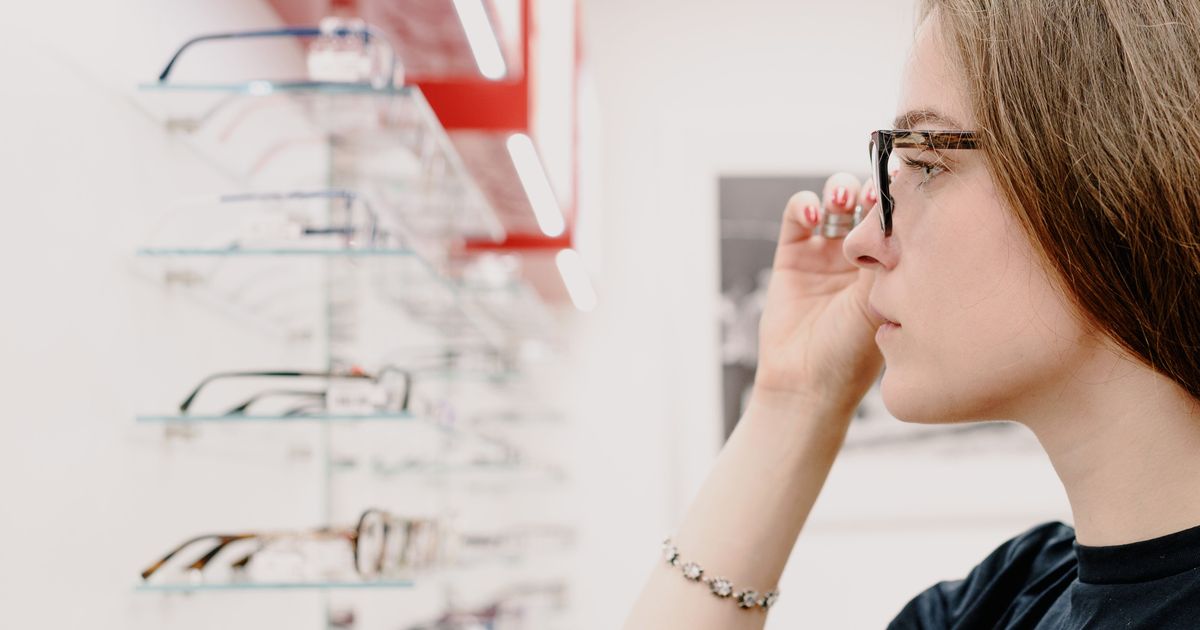
Fashion accessories have a conversion problem. The average Shopify store converts 1.4% of visitors into buyers, but the apparel and accessories category regularly sees cart abandonment rates above 80% — among the highest of any retail category. For store owners selling glasses, hats, jewelry, or watches, that's not just a checkout problem. It's a product page problem.
The core issue is simple: shoppers can't see how something looks on them. Unlike buying a book or a charger, purchasing a pair of sunglasses or a statement earring is deeply personal. The fit, the proportion, the way it sits on your face — these things matter enormously, and no amount of zoom functionality or 360-degree photography fully solves the uncertainty. That's exactly where virtual try-on changes the math.
Why Accessories Are the Hardest Category to Convert Online
Research from the Baymard Institute puts the baseline cart abandonment rate for e-commerce at around 70%. For fashion specifically, the numbers are worse. Multiple industry reports put the apparel and accessories category at abandonment rates between 80% and 84% — consistently ranking as one of the toughest categories to close a sale in.
The root cause isn't price. It's doubt. A 2025 consumer survey found that 47% of shoppers report disliking online shopping specifically because they cannot see items in person before buying. For accessories, this problem is especially acute: a hat that looks stylish on a model may look completely different on your face shape. A pair of earrings that works perfectly on someone with a narrow jaw may look overwhelming on someone with a rounder face. Shoppers know this, and so they hesitate — or they leave.
What's significant is that this hesitation mostly happens before checkout, not during it. Adding a coupon recovery popup or sending cart abandonment emails doesn't solve the real problem. The shopper didn't leave because they forgot — they left because they weren't confident enough to commit.
What the Data Shows When Shoppers Can Try Accessories On
The conversion impact of virtual try-on is well-documented at this point. According to a 2025 augmented reality in retail research report, products with AR try-on content convert at a rate 94% higher than products without it. That's not a marginal improvement — it's nearly doubling the baseline for engaged shoppers.
More specific to the accessories and eyewear category: retailers who have integrated virtual try-on have reported a 15% average conversion lift compared to standard product pages using only static photography. Stores with the highest AR engagement also see 40% lower return rates, which matters enormously for the economics of running an accessories store at scale. Returns in fashion accessories can easily erode 10-15% of gross revenue once you account for shipping, restocking, and customer service costs.
77% of online shoppers say they want retailers to offer virtual try-on technology, according to recent consumer research. Among Gen Z specifically, 65% actively choose to shop with brands that offer AR fitting tools. This isn't a niche preference anymore — it's quickly becoming table stakes for any accessories brand trying to compete in 2026.
Which Accessory Categories See the Biggest Impact
Not every product type benefits equally from try-on technology. But for rigid accessories that sit on or near the face and body, AR performs exceptionally well — because face-tracking and body-tracking algorithms can accurately overlay 3D models on a live camera feed with high precision.
Eyewear — glasses, sunglasses, and optical frames — is the most mature category. Frame shape, size, and style vary so dramatically that most shoppers are essentially guessing when buying online without being able to try something on. Virtual try-on removes that guess entirely, and the conversion data for eyewear is the most consistent across multiple studies.
Hats and headwear are arguably the most underserved category right now. Most stores selling beanies, baseball caps, bucket hats, or fashion headpieces still rely entirely on static model photography. Yet the same uncertainty applies — a cap that looks great on a model with a particular head shape may look completely different on a buyer with a wider or narrower face. This is a gap that early movers can capture with relatively little competitive pressure.
Jewelry — especially earrings and necklaces — benefits from face-based AR tracking. Shoppers can see how a pair of hoops sits relative to their jaw, or how a choker necklace proportion looks against their actual neckline. The emotional connection of seeing yourself wearing a piece of jewelry, even virtually, is a significant purchase motivator that flat product photography simply cannot replicate.
How to Add Virtual Try-On to Your Shopify Accessories Store
The good news is that implementing virtual try-on on Shopify no longer requires a custom development project or a large technology budget. Modern WebAR technology means shoppers can use try-on features directly in their mobile browser — no app download needed — which removes a friction point that used to significantly limit adoption rates.
When evaluating which solution to use, look for a few non-negotiables: multi-category support (you want one tool that handles glasses, jewelry, and hats without running separate systems), mobile-first design (since the majority of your traffic arrives via phone), and a Shopify-native integration that installs cleanly without breaking your theme or slowing page load times.
Vensa is built specifically for Shopify stores selling eyewear, jewelry, and accessories. It adds a try-on widget directly to your product pages and works across mobile and desktop without requiring customers to download anything. You can explore the Shopify integration at vensa.app/shopify.
One practical detail that often gets overlooked: where you place the try-on button matters more than most merchants expect. A try-on widget buried below the product description, reviews, and shipping information will get used by a fraction of the shoppers who would engage with it if it appeared above the fold, directly next to the product images. Test placement before drawing any conclusions about whether virtual try-on is working for your store.
Measuring Whether It's Actually Moving the Needle
Virtual try-on creates measurable signals that standard analytics doesn't usually capture. Once it's installed, track three things: the engagement rate (what percentage of product page visitors click the try-on button), the conversion rate for try-on users versus non-users, and your return rate before and after deployment.
Industry data consistently shows that shoppers who engage with virtual try-on convert at rates significantly higher than those who don't — often 60-65% higher. But that figure depends heavily on what percentage of shoppers actually use the feature. If your engagement rate is below 10%, you likely have a discoverability or placement problem, not a technology problem.
Return rate is slower to move but is often the more compelling long-term argument for investing in virtual try-on. A 30% reduction in returns — a figure cited consistently across AR commerce research — translates directly into better margins, fewer support tickets, and less inventory sitting in limbo.
If your Shopify accessories store is sitting below a 2% conversion rate, virtual try-on should be one of the first things you test. The product uncertainty problem is the real conversion killer for glasses, hats, and jewelry — and it's one that technology can now solve at a price point accessible to independent Shopify stores. Start with your highest-traffic product pages, measure the engagement and conversion delta between try-on users and non-users, and let the numbers guide your next move.